
109. Searching for Modernism in Rome
... and beyond.

Salve, comrades! Last week I shared a study of a particular building in Rome which I think it deserved its own newsletter given its impact and aesthetic. So continuing with the architectural subject, I’d like to share a couple more examples that I found across the city.
Just a note that this newsletter might get chopped on your email so please head to the Substack website or app to read it in full.
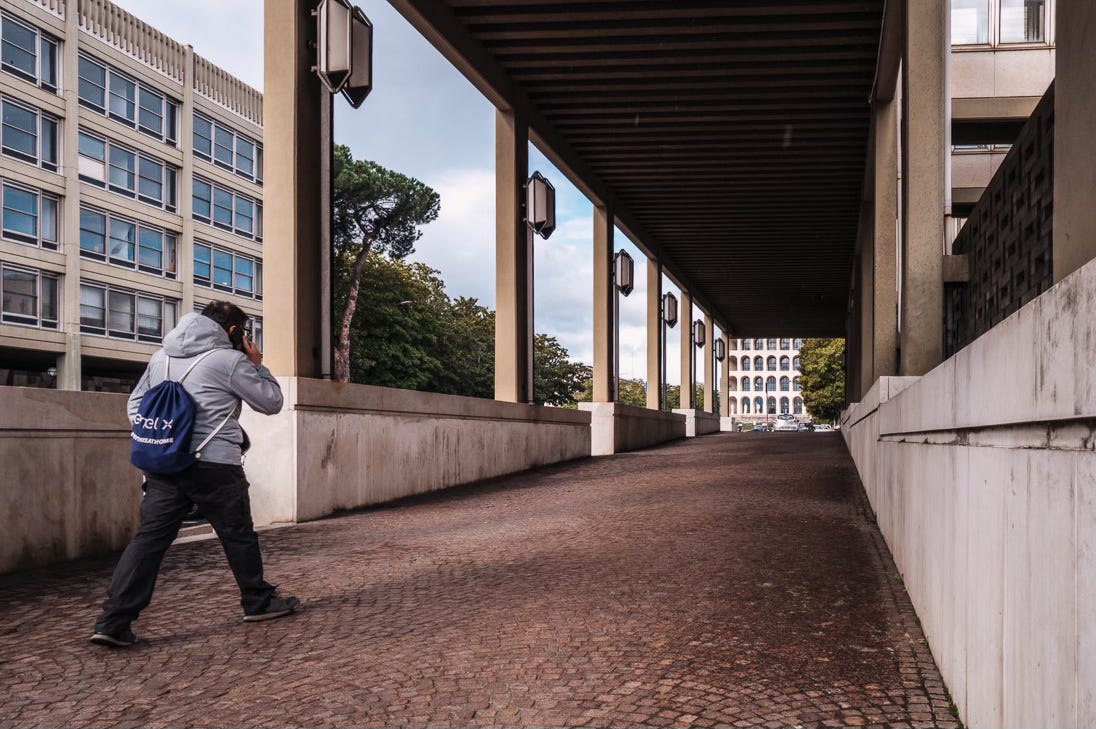
While doing my research to photograph Rome, I was looking for examples of modernist and brutalist architecture, a repeating subject that I found online was the preservation and repurpose of Fascist Architecture which I found fascinating!
As I mentioned earlier, while Germans did their best to wipe almost everything left from their dark past, Italians do their best to preserve and give a different meaning to an architectural style that was used as propaganda and symbols of discipline.
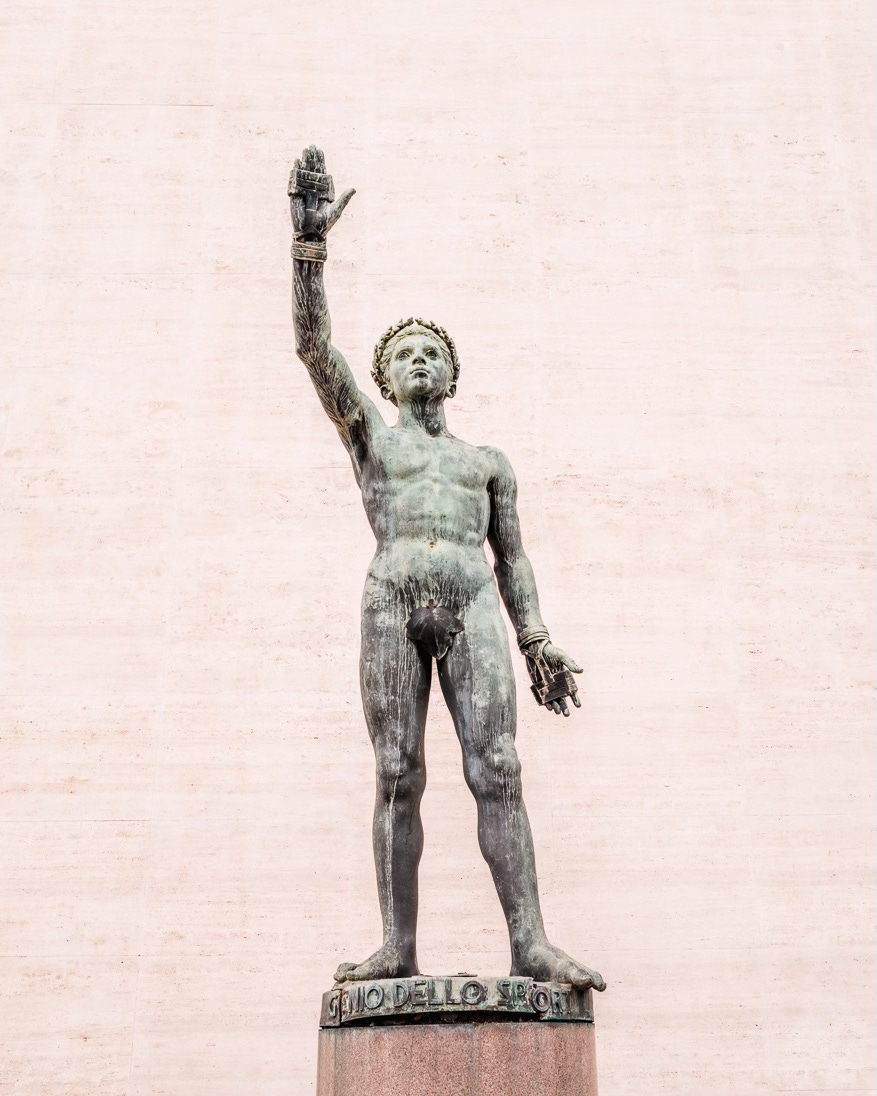
I am obsessed with architecture and design, I like to stare at things that I find interesting on public spaces, so locals were often curious, stopping to ask what I was photographing, sometimes with visible unease, until I explained that I’m a modernist at heart, drawn not to ideology but to architecture itself: to form, line, and structure. I asked for their perspective, and almost everyone I spoke with shared a similar truth: someone in their family had been a victim of the regime. For them, these buildings are not monuments to power, but vessels of memory, helping preserve ideals of freedom, peace, and unity.
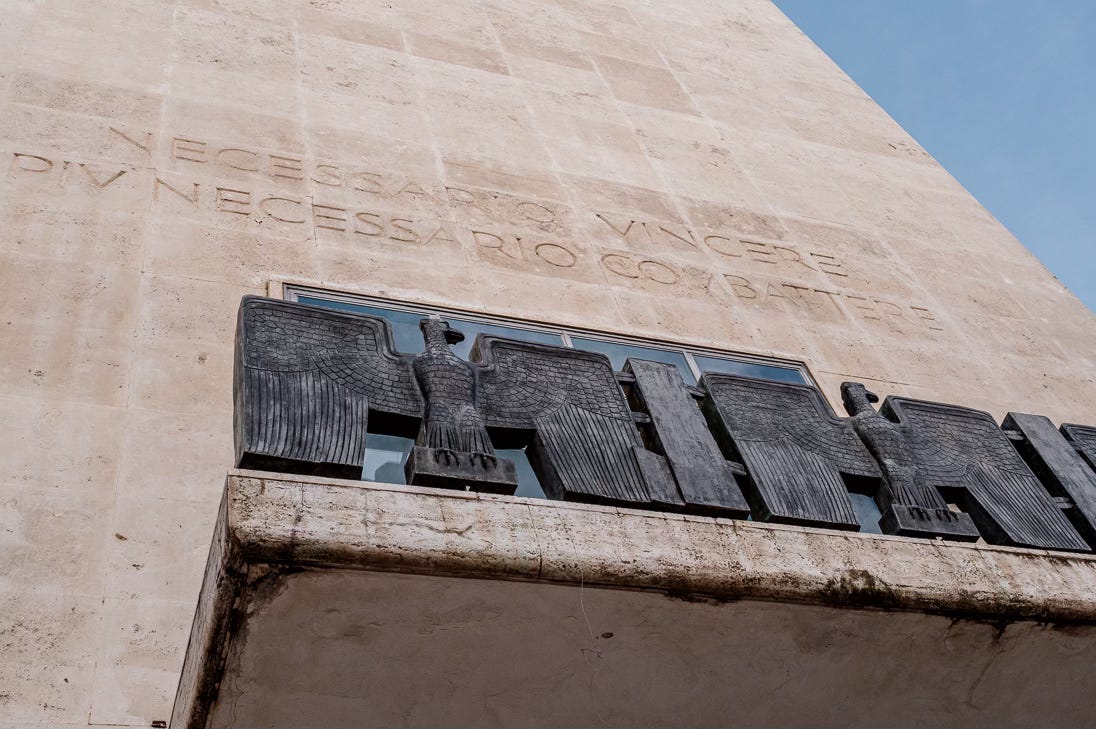
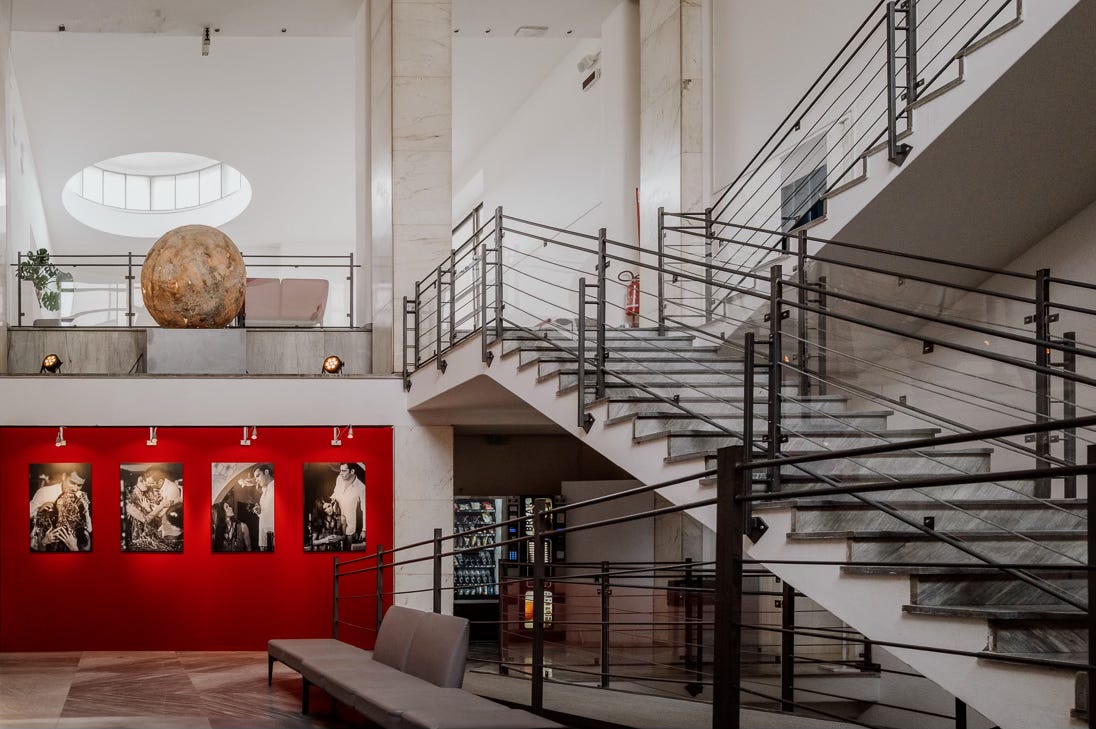
Fascist architecture in Italy took shape under Mussolini’s rule between 1922 and 1943, often through a language infused with echoes of classical Roman architecture. Public building projects became a key tool for the regime: a way to stimulate the economy, win popular support, and project an image of a modern, forward-looking nation. But it was in the 1930s, as Fascism hardened into a fully totalitarian system, that architecture was explicitly asked to carry ideology. Buildings were no longer just functional or symbolic; they became didactic tools, designed to educate, discipline, and impress the masses.
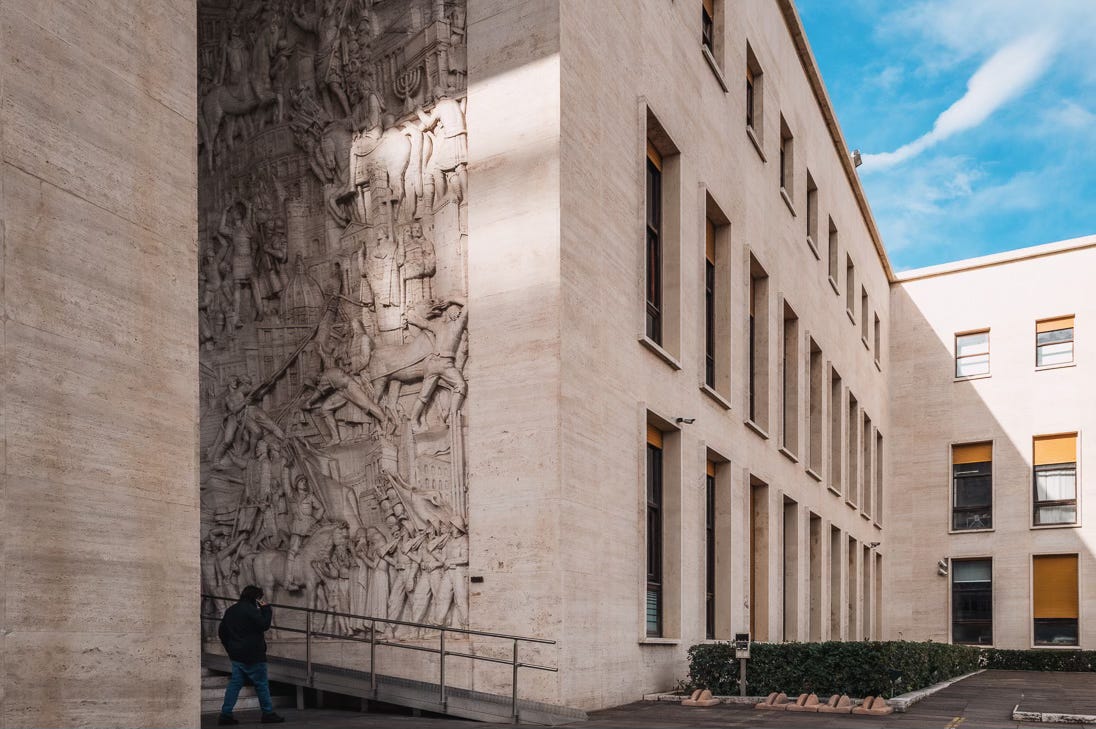
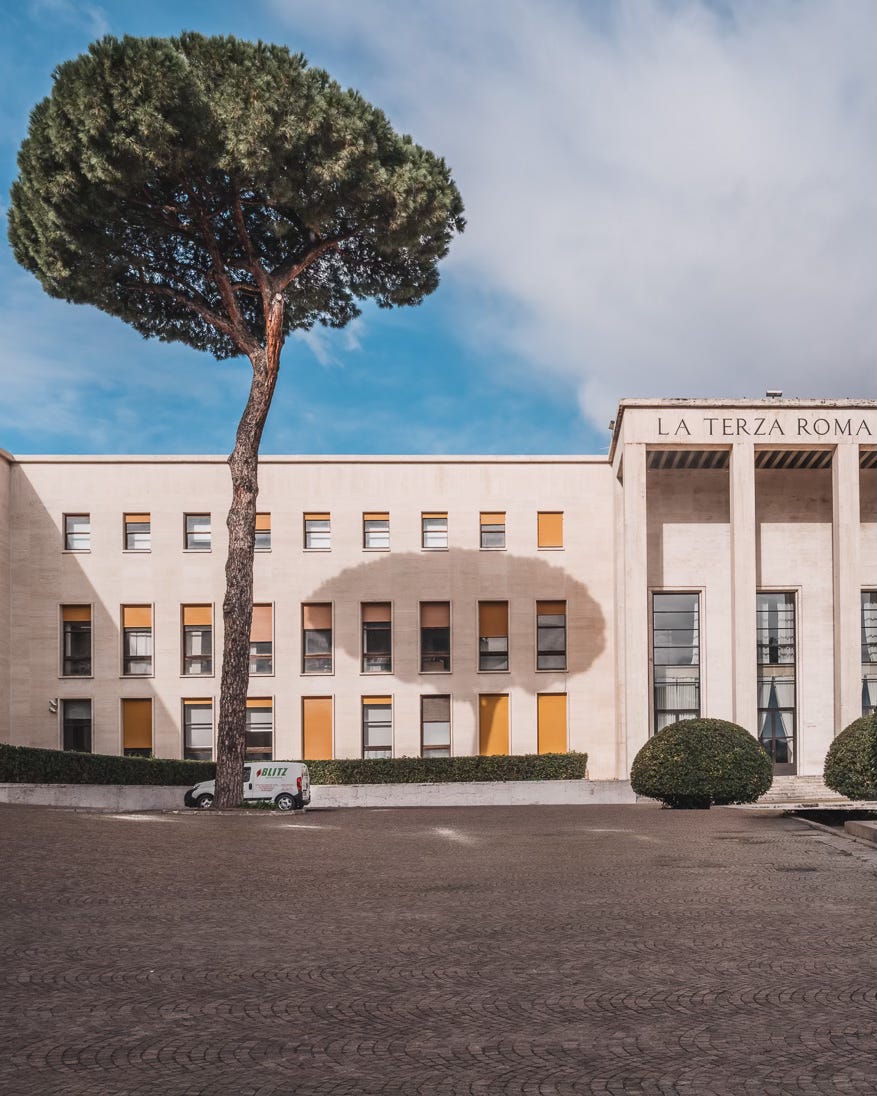
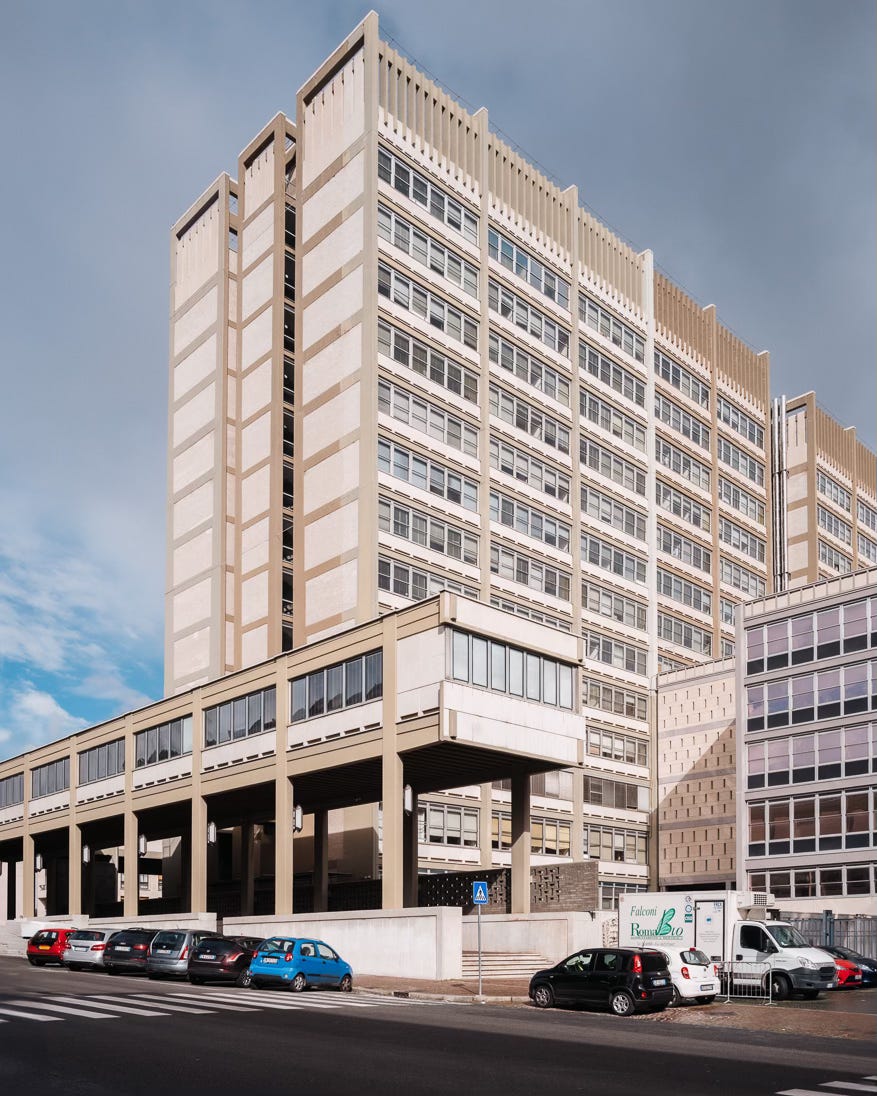
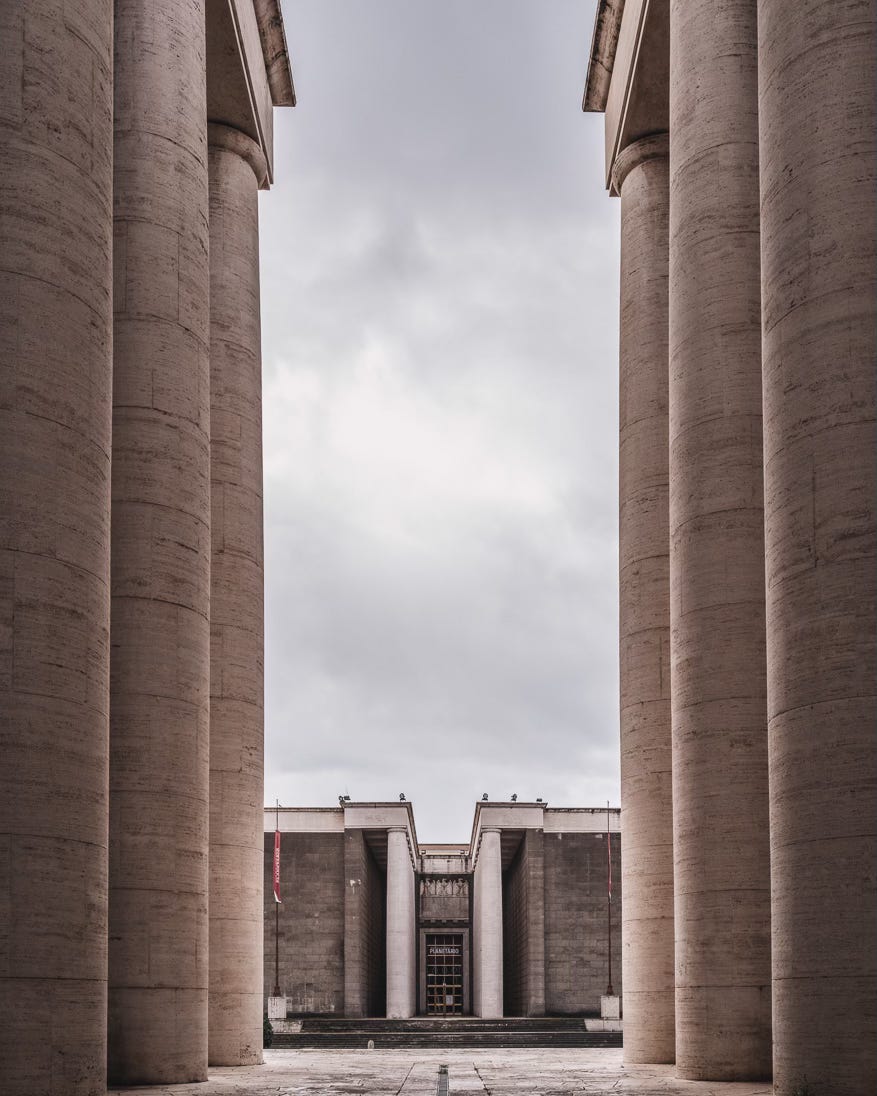
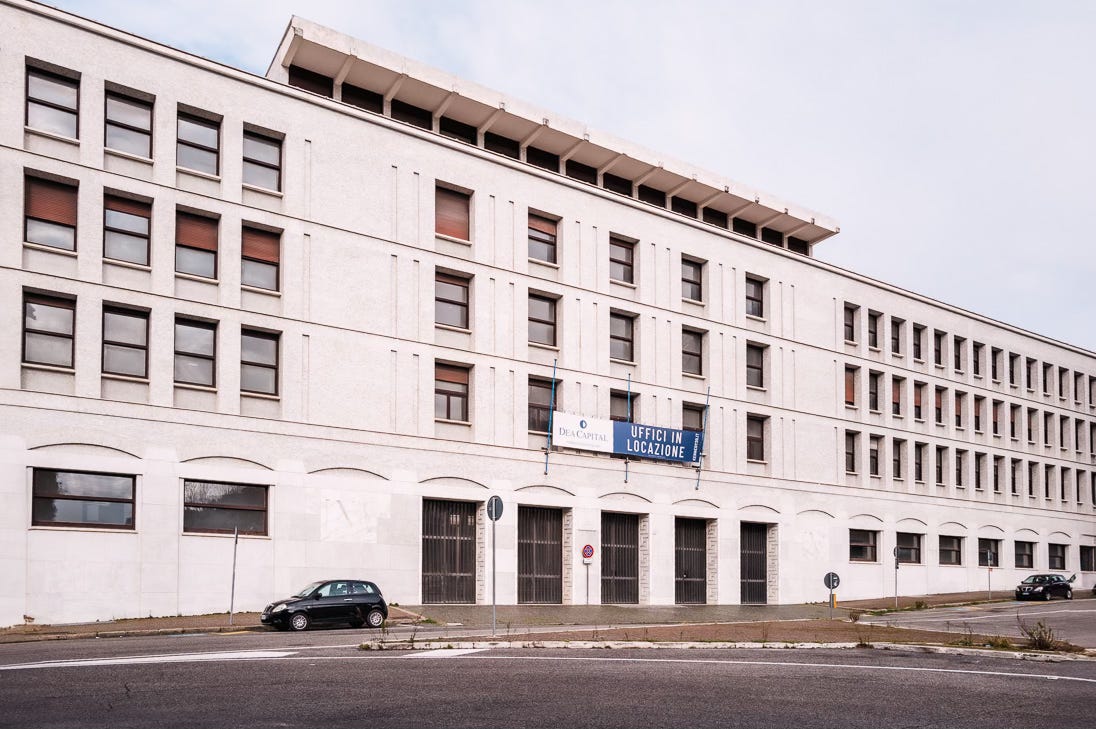
My interest is in these architectural styles, not on fascism, though I believe that to understand any artistic movement, we have to learn its history. Thanks to that I can understand the architecture a lot better. But also, it opened my mind to understand what’s currently happening in our Western world and how the narrative of extreme right governments resonates with what happened in Italy a century ago. Fascism has no place in our modern, diverse, and multicultural world.
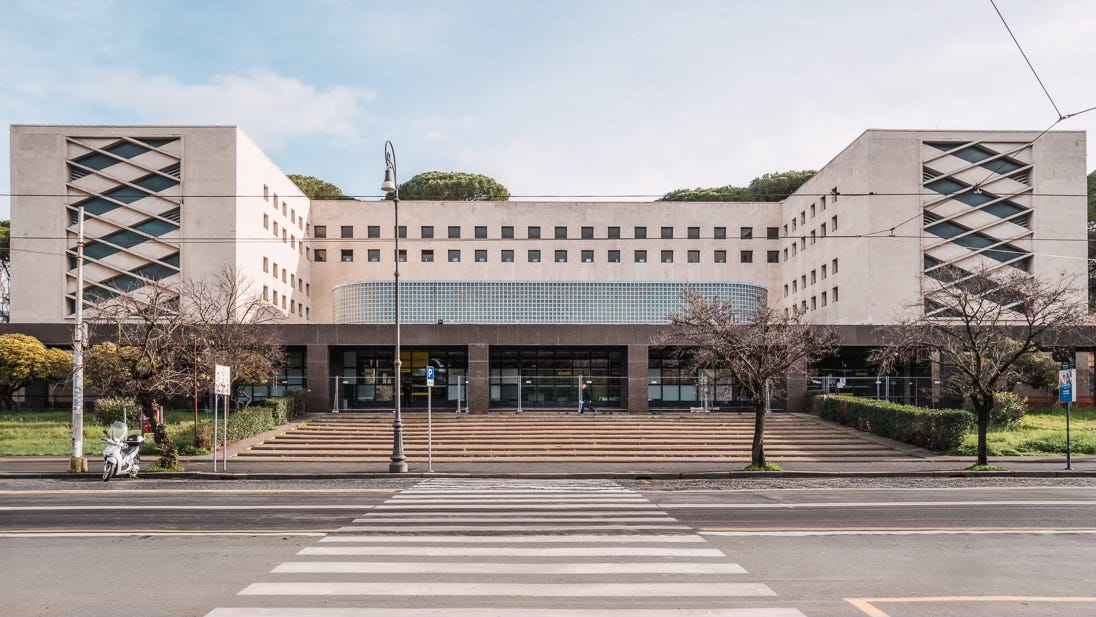


Fascist architecture wasn’t exclusive to big cities; it was shaped by the needs of the corporatist economic model. Instead of monumental buildings, the regime favoured smaller structures inspired by local architecture, often used to create new rural towns. The idea was to move people out of overcrowded city centres and relocate them to the countryside to farm or to work in industries like mining. Istria, in Croatia, is a good example of this approach, and it’s exactly where I came across the mining towns I photographed for this issue:
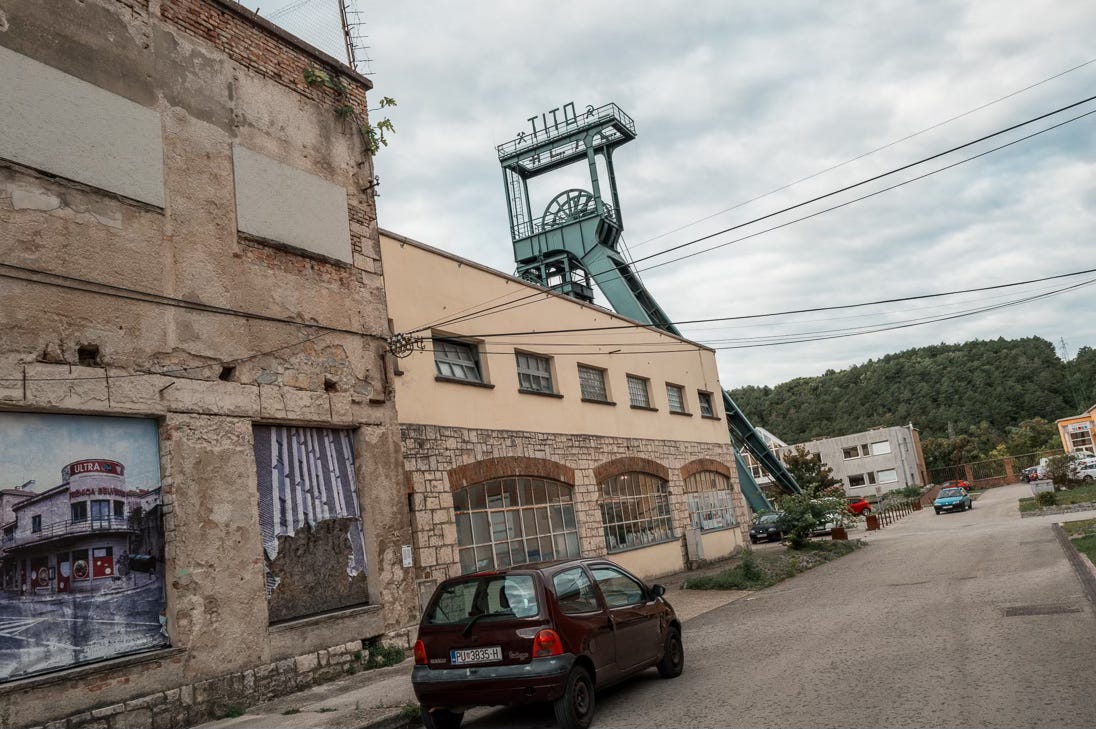
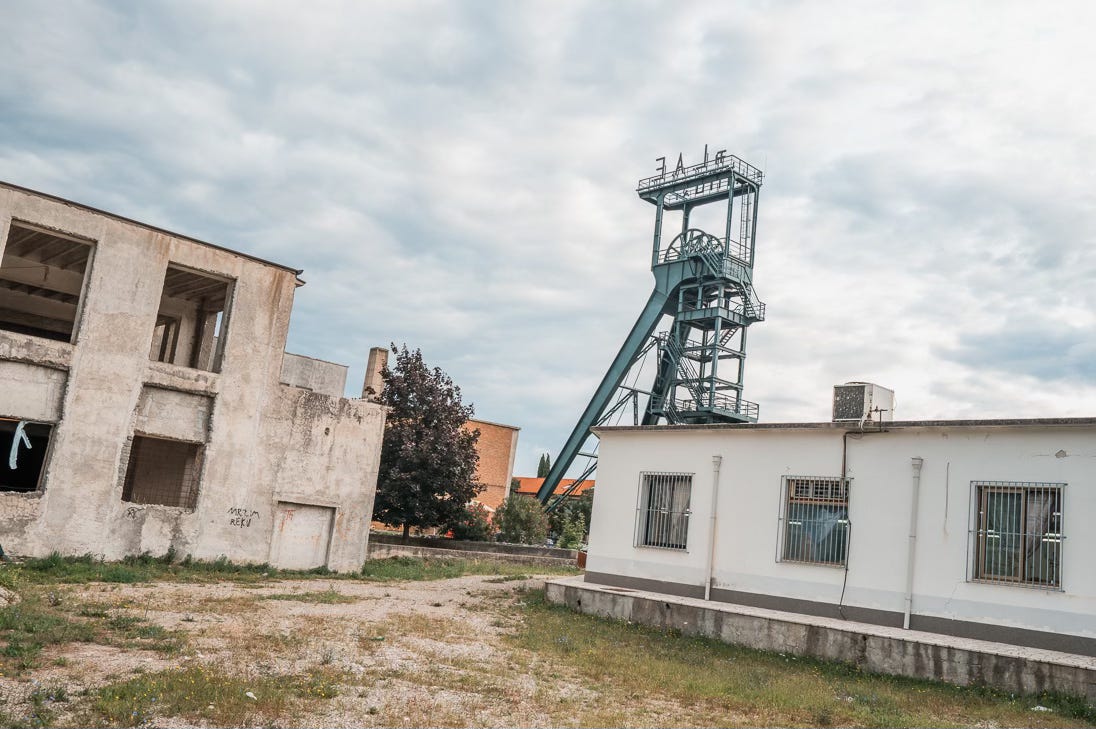
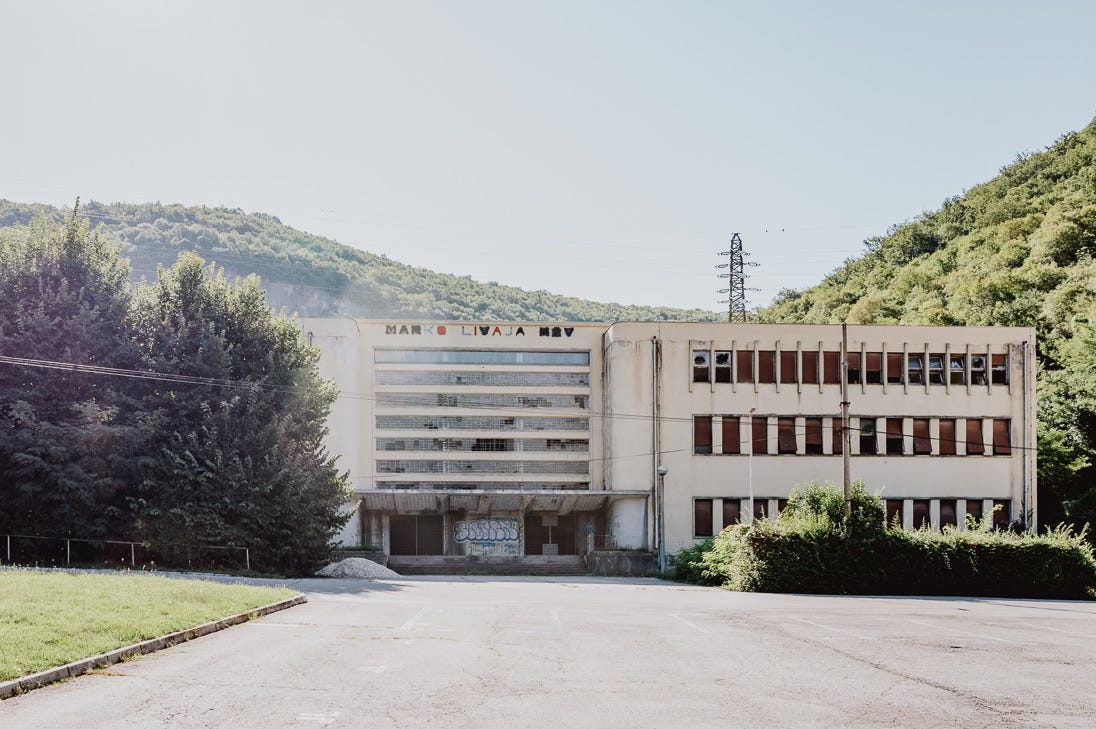
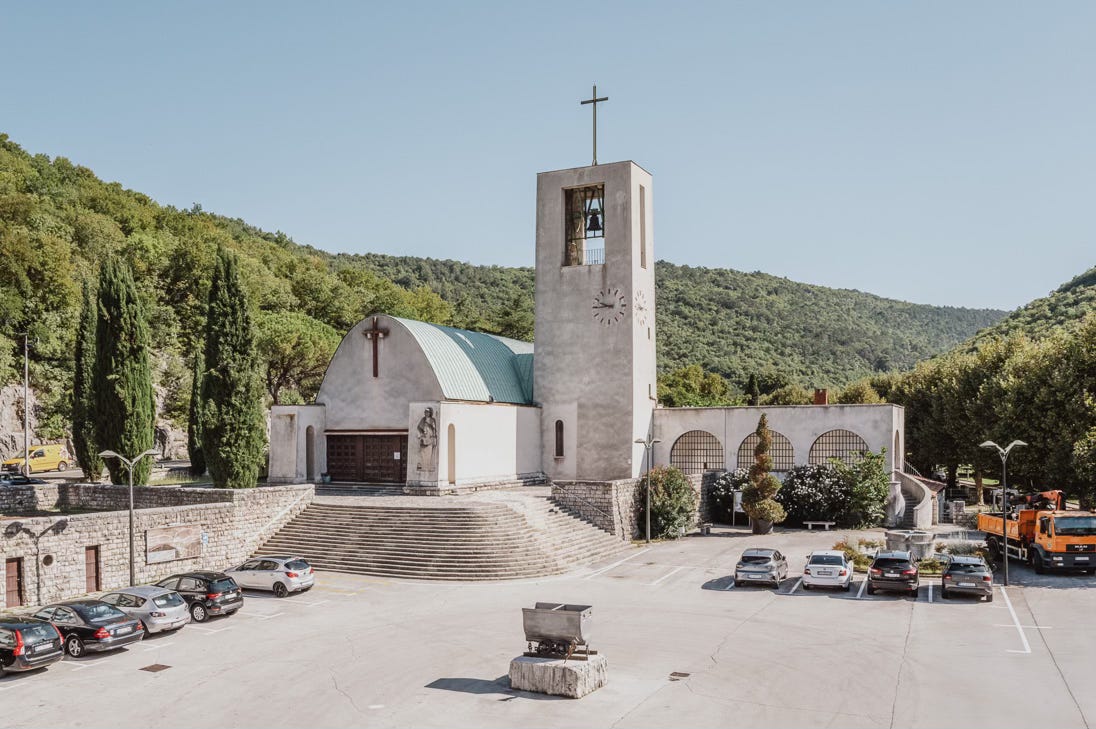
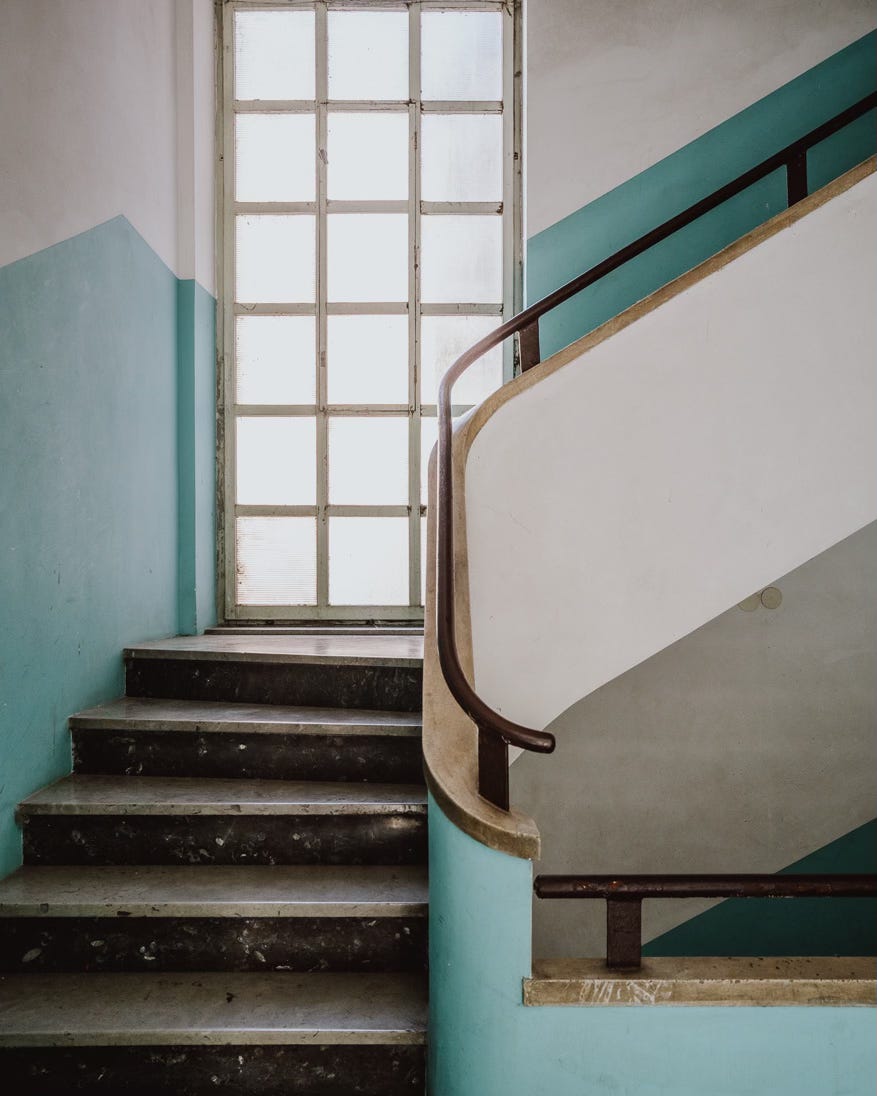
If you like what you see, and you’re interested in the history and architecture, I strongly recommend watching this documentary kindly shared by Neil Scott:
<iframe width="560" height="315" src="title="YouTube video player" frameborder="0" allow="accelerometer; autoplay; clipboard-write; encrypted-media; gyroscope; picture-in-picture; web-share" referrerpolicy="strict-origin-when-cross-origin" allowfullscreen></iframe>
This newsletter isn’t content, it’s craft!
There are different ways to support my work:
• Become a paid subscriber.
• Collect a piece of the journey: prints and zines available to buy here.
• Or simply share it with someone who’d appreciate it.
Photography can be a powerful tool for research and cultural enrichment, a "key" to reading a historical context.
Everything that surrounds us, architecture, signage, advertising posters, urban objects,s speaks, communicates, leaves traces. Every element carries a code and a purpose, just like the one you identified in the case of propaganda.
Investigating these signs through images allows us to move closer to the reasons and dynamics behind an event, not only what happened, but also why and how. Often from a lateral, unexpected viewpoint, from a framing different from the official or dominant one.
It is in this ability to observe the margins, the seemingly secondary detail, that photography becomes a critical instrument. It does not merely document reality; it questions it and opens new ways of reading history.
Great post and photos, Xavi. I think it can be easy for us to lose sight of the meaning behind architecture and the buildings that surround us. But there is a story to all of that. Thanks for reminding us of that.